









Was ist Blutplasma?

Blutplasmaist der größte Einzelbestandteil des menschlichen Blutes und fungiert alsTransportmedium für Zellen sowie eine Vielzahl von Substanzen, die für denmenschlichen Körper lebensnotwendig sind. Es enthält Wasser, Salze, Enzyme,Antikörper und weitere Proteine. Zudem übernimmt Blutplasma zahlreichekritische Funktionen, wie etwa die Immunantwort, und ist daher für eineVielzahl von Therapien unverzichtbar.

What is plasma

Plasma is the single largest component of human blood that acts as a transporting medium for cells and a variety of substances vital to the human body. It contains water, salts, enzymes, antibodies, and other proteins. Plasma also carries out many critical functions, including fighting diseases, and is, therefore, essential for numerous therapies.

See plasma availability

92%

Water

1%

Other Solutions

7%

Proteins

Proteins in our plasma

Immunoglobulins

Alpha-1-Proteinase-Inhbitoren

Gerinnungsfaktoren

C1-Esterase-Inhibitoren

300.000 Patienten in der EU sind auf blutplasmabasierte Arzneimittel angewiesen, um seltene Erkrankungen wie Immundefekte, Blutgerinnungsstörungen, entzündliche Erkrankungen oder neurologische Leiden zu behandeln – Ihre Spende kann den Unterschied machen! Zudem stehen nahezu alle plasmabasierten Arzneimittel auf der EU-Liste der kritischen Arzneimittel.

Finden Sie ein Spendenzentrum

Schon gewusst?

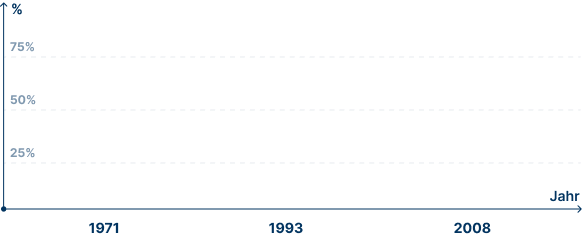
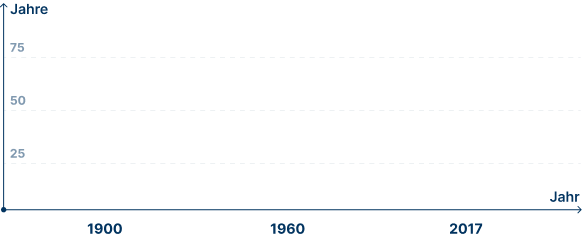
10-JAHRES-ÜBERLEBENSRATEVON PATIENT:INNEN MIT VARIABLEM IMMUNDEFEKTSYNDROM (CVID), NACH JAHR
Source: Chapel H, Lucas M, Lee M, et al. Common variable immunodeficiency disorders: Division into distinct clinical phenotypes. Blood. 2008; 112(2):277–286.
LEBENSERWARTUNGVON PATIENT:INNEN MIT HÄMOPHILIE NACH JAHR
Source: Aledort, L. The evolution of comprehensive haemophilia care in the United States: Perspectives from the frontline. Haemophilia. 2016; 22(2):676-683.

Blutplasmatherapien

Plasma protein therapies are treatment methods that are relied upon by patients with well-defined medical conditions. Plasma-derived therapies and their recombinant analogs, collectively referred to as plasma protein therapies, are unique, biologic medicines.

Plasma protein
Used to treat
Outcomes
Immunoglobulins
  • Immunology-Immunodeficiencies
  • Neurology-Immune-mediated diseases
  • Hematology
  • Dermatology
  • Infection prevention
  • Regulation of overreacting immune system also known as immune modulation
  • Improved quality of life
  • Increased life expectancy
Clotting factors
  • Bleeding from trauma
  • Over dosage of anticoagulants
  • Liver disease
  • Bleeding Disorders
  • Reduced bleeding
  • Improved quality of life
  • Increased life expectancy
C1 esterase inhibitor
  • Hereditary Angioedema
  • Improved quality of life
  • Increased life expectancy
Alpha-1 proteinase inhibitor
  • Alpha-1 Antitrypsin Deficiency
  • Halts or slows disease progression
  • Improved quality of life
  • Increased life expectancy
Hyperimmune Globulins
  • Rabies, tetanus, and hepatitis
  • Transplant therapy
  • Pregnancy in Rh negative female with possible Rh positive baby
  • Reduce the severity of infection
  • Prevent infection
  • Prevention of Hemolytic Disease of the Newborn
Albumin
  • Liver disease
  • Cardiac surgery
  • Emergency and surgical medicine
  • Replacement fluid in therapeutic apheresis
  • Lifesaving in severe situations
  • Decreased morbidity and mortality
See full therapies list

PLASMA PROTEIN

Immunoglobulins

USED TO TREAT
Immunology-Immunodeficiencies
Neurology-Immune-mediated diseases
Haematology
Dermatology
OUTCOMES
Infection prevention
Regulation of overreacting immune system
Improved quality of life
Increased life expectancy

PLASMA PROTEIN

Clotting factors

USED TO TREAT
Immunology-Immunodeficiencies
Neurology-Immune-mediated diseases
Haematology
Dermatology
OUTCOMES
Infection prevention
Regulation of overreacting immune system
Improved quality of life
Increased life expectancy

PLASMA PROTEIN

C1 esterase inhibitor

USED TO TREAT
Hereditary Angioedema
OUTCOMES
Improved quality of life
Increased life expectancy

PLASMA PROTEIN

Alpha-1 proteinase inhibitor

USED TO TREAT
Alpha-1 Antitrypsin Deficiency
OUTCOMES
Improved quality of life
Halts disease progression
See full therapies list
See less

Plasma for your everyday medicines

Plasma is not only essential for treating rare and chronic diseases — find out more about how plasma is used for everyday medicine, emergencies, surgical and preventive medicine.

See full list
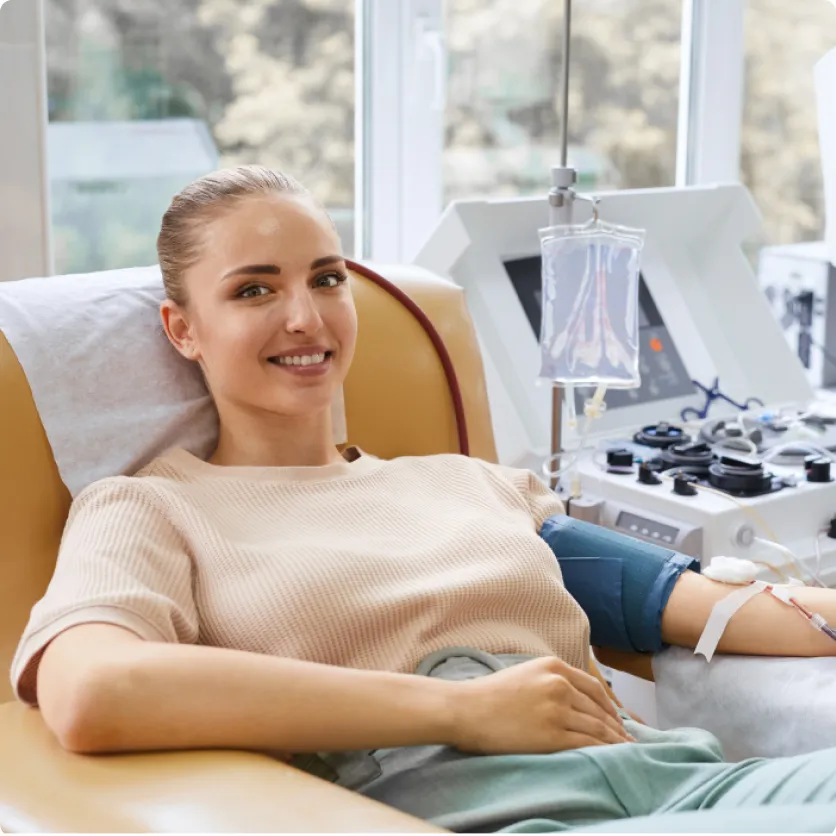
A lady and a women are hugging each other.A young woman during the plasma donation process.A lady is smiling.

Herstellungsprozess blutplasmabasierte Arzneimittel

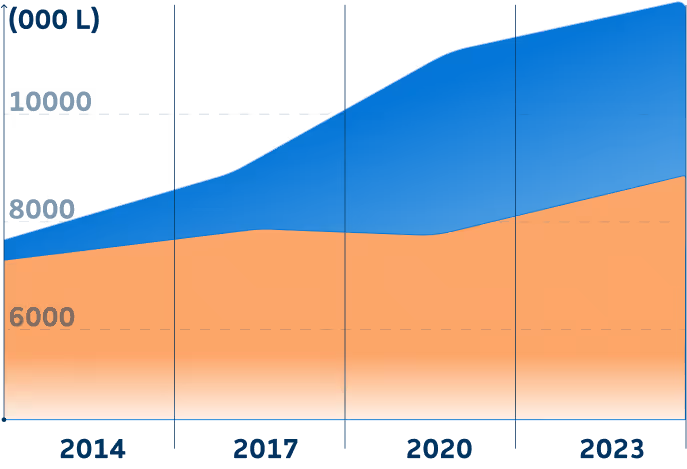
EU Plasma Collection vs Ig Usage
Ig Usage (000 L)*
EU Plasma Collection
* IG Consumption converted to liters of plasma at a blended source + recovered yield of 4.5 g IG per liter of plasma.
View source

Besonders hervorzuheben sind in diesem Zusammenhang jedoch auch die hohen Fixkosten, die mit der Produktion von Plasmapräparaten verbunden sind - diese liegen im Schnitt bei etwa 57% der Gesamtkosten und sind damit im Vergleich zu herkömmlichen (chemisch-pharmazeutischen) Medikamenten etwa 4-mal so hoch.1 Neben dem kostbaren Ausgangsmaterial – humanes Blutplasma – führt der äußerst komplexe Herstellungsprozess zu hohen Ausgaben, die sich auf die Produktionskosten auswirken.

BLUTPLASMA SPENDEN

Blutplasma kann nur von menschlichenSpendern gewonnen werden und ist daher eine begrenzte Ressource. Als geeigneterSpender haben Sie die Möglichkeit, mit lebensrettendem Blutplasma einenwertvollen Beitrag für Menschen in Not zu leisten

Find a donation center

Lage in Deutschland& Europa

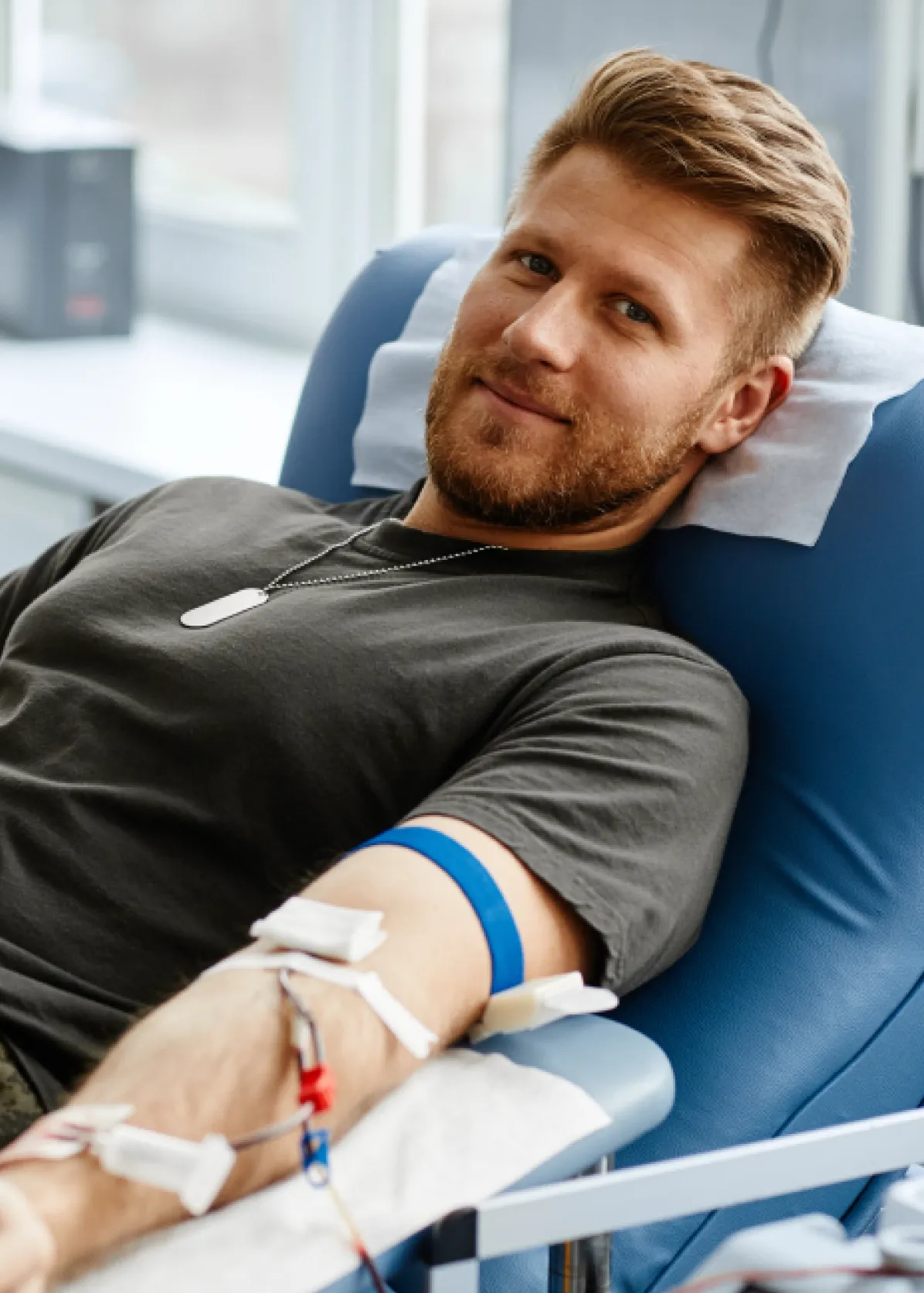
A young woman during the plasma donation process.
Das Nationales Spendeaufkommenin den letzten10 Jahrenstieglediglichum +4%1
1https://www.pei.de/SharedDocs/Downloads/DE/regulation/meldung/21-tfg/21-tfg-berichte/2023-tfg-21-bericht.pdf?__blob=publicationFile&v=5S.27 Abb. 14
Bedarfan Immunglobulinenistin den letztenJahrenum 120% gestiegen2
2https://www.pei.de/SharedDocs/Downloads/DE/regulation/meldung/21-tfg/21-tfg-berichte/2023-tfg-21-bericht.pdf?__blob=publicationFile&v=5S.28 ff.
Die ImportabhängigkeitEuropasvon 40% bleibtweiterhinbestehen.

Donation process

Donation process

You will need to visit a plasma collection center to determine your eligibility as a donor. However, here is the list of general requirements:

Plasma donors should be at least 18 years old
Plasma donors should weigh at least 110 pounds or 50 kilograms
Must pass a medical examination
Complete an extensive medical history screening
Test non-reactive for transmissible viruses including hepatitis and HIV
Follow a recommended diet including 50 to 80 grams of daily protein
See the full requirements list

International Quality Plasma Program (IQPP)

"PPTA's voluntary standards program provides global leadership for the plasma protein industry's goal of continuous improvement with a focus on safety and quality from the donor to the patient. The Standards Program will be transparent, credible, innovative, and responsive to stakeholder and industry needs." - Mission Statement, PPTA Voluntary Standards Program